Your Complete Guide to Choosing Bookkeeping Services That Fit Your Business
Picture this: It's tax season, and you're drowning in receipts, invoices, and financial records scattered across your desk.
Sound familiar? You're not alone.
Many business owners struggle with managing their books, often realizing too late that poor financial record-keeping can make or break their success.
The good news? Finding the right bookkeeping service doesn't have to be overwhelming.
Let's walk through everything you need to know to make an informed decision that will transform your financial management.
What Does Your Business Actually Need?

Before diving into service options, take a step back and honestly assess your situation. Ask yourself:
How complex are your finances?
A freelance graphic designer has very different needs than a manufacturing company with inventory and payroll.
Simple businesses might need basic transaction recording, while complex operations require comprehensive financial management, tax planning, and regulatory compliance.
What's your transaction volume?
Processing five transactions a week versus fifty transactions a day requires different approaches and tools.
Higher volume typically means you'll benefit from automated systems and dedicated support.
Where are your pain points?
Maybe you're spending too many late nights reconciling accounts. Perhaps you're constantly worried about missing tax deadlines.
Identifying your biggest challenges helps narrow down which services will provide the most value.
Your Service Options:
In-House Bookkeepers: The Personal Touch
Hiring someone full-time means having dedicated support right in your office.
They'll know your business inside and out. You can grab them for questions anytime.
However, you're looking at:
- Salaries
- Benefits
- Training costs
- Potential coverage issues when they're sick or on vacation
This option typically makes sense for larger businesses with complex, high-volume financial operations.

Outsourced Services: The Sweet Spot
Many businesses find this the goldilocks option—not too expensive, not too impersonal, but just right.
Professional bookkeeping firms bring:
- Expertise across multiple industries
- Current technology
- Often cost less than hiring internally
You get professional-level service without the overhead of a full-time employee.

DIY Digital Solutions: The Self-Service Route
With this approach, you use cloud-based software like QuickBooks Online, Xero, or FreshBooks to manage your own books.
They're perfect for:
- Simple, straightforward businesses
- Business owners comfortable with technology
- Those who want maximum control over their books
- Startups with tight budgets
You get modern software at low monthly costs, but you're doing most of the work yourself. Support is typically limited to help desk assistance rather than ongoing professional guidance.
Understanding True Costs
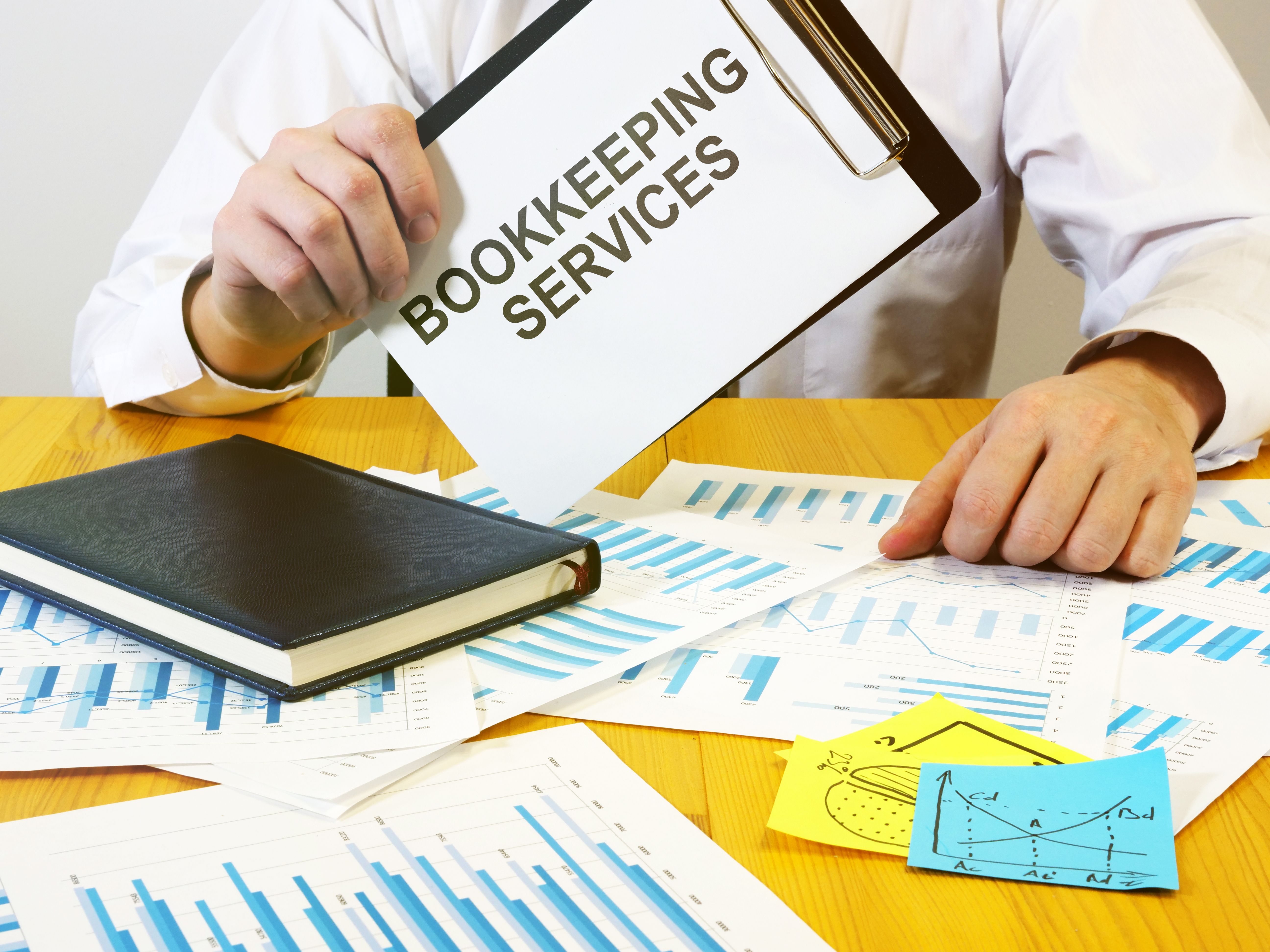
Don't just look at the sticker price. Consider the total cost of ownership:
In-house costs include:
- Salary
- Benefits
- Training
- Software licenses
- Potential backup coverage
A $40,000 salary might actually cost you $55,000+ when everything's factored in.
Outsourced services typically charge monthly fees based on transaction volume or complexity.
While the monthly cost is transparent, make sure you understand what's included and what costs extra.
DIY digital solutions often start cheap but can get expensive as you add features.
Factor in potential integration costs and whether you'll need additional support.
Why Expertise Matters

Your bookkeeper should understand your industry's unique challenges.
A retail business needs someone familiar with inventory accounting. A service company requires expertise in project-based billing and time tracking.
Red flags to watch for:
- Providers who claim they handle "all industries" equally well
- Reluctance to discuss their specific experience in your sector
- Inability to provide relevant client references
- Unclear about compliance requirements for your business type
Green flags that signal quality:
- Professional certifications and ongoing education
- Experience with businesses similar to yours
- Clear understanding of tax laws and regulations
- Proactive suggestions for improving your financial processes
Technology That Works
Modern bookkeeping relies heavily on technology. The right tools can save you time and money while reducing errors.
Look for providers who use:
Cloud-based systems that you can access anytime, anywhere. They include automatic backups and security updates.
Integration capabilities with your existing tools—whether that's your payment processor, e-commerce platform, or project management software.
Automation features that handle routine tasks like transaction categorization and bank reconciliation.
Reporting tools that give you real-time insights into your financial health, not just historical data.
Communication Is Key

Even the most skilled bookkeeper won't help if you can't communicate effectively.
Consider these questions:
- How quickly do they respond to questions?
- Do they explain things in terms you understand, not accounting jargon?
- Are they proactive about reaching out with important updates?
- Can you easily access your financial information when you need it?
The best bookkeeping relationships feel like partnerships. Your provider should understand your business goals and help you achieve them through better financial management.
Your Action Plan

Ready to choose? Here's your step-by-step approach:
Step 1: List your specific needs, pain points, and budget range.
Step 2: Research 3-5 providers that seem to match your requirements.
Step 3: Schedule consultations and ask detailed questions about their experience with businesses like yours.
Step 4: Request and check references from current clients.
Step 5: Compare proposals carefully. Look beyond just price to consider value and fit.
Step 6: Start with a trial period if possible to ensure the partnership works well.
Remember: The cheapest option isn't always the most economical if it leads to errors, compliance issues, or time-consuming problems down the road.
The right bookkeeping service is an investment that pays for itself through better financial control, tax savings, and peace of mind.
Take Action Today

Good bookkeeping isn't just about staying organized. It's about having the financial clarity to make smart business decisions.
Whether you choose an in-house bookkeeper, outsourced service, or DIY digital solution, the key is finding a solution that grows with your business and supports your long-term success.
Take action today. Your future self (especially during next tax season) will thank you.